Mon 27 Apr - Posted in Breaking News
Time to read: 9mins
To any Derby County supporter of a significant age, the promotion-winning team of the 1995/96 campaign will be among their favourites.
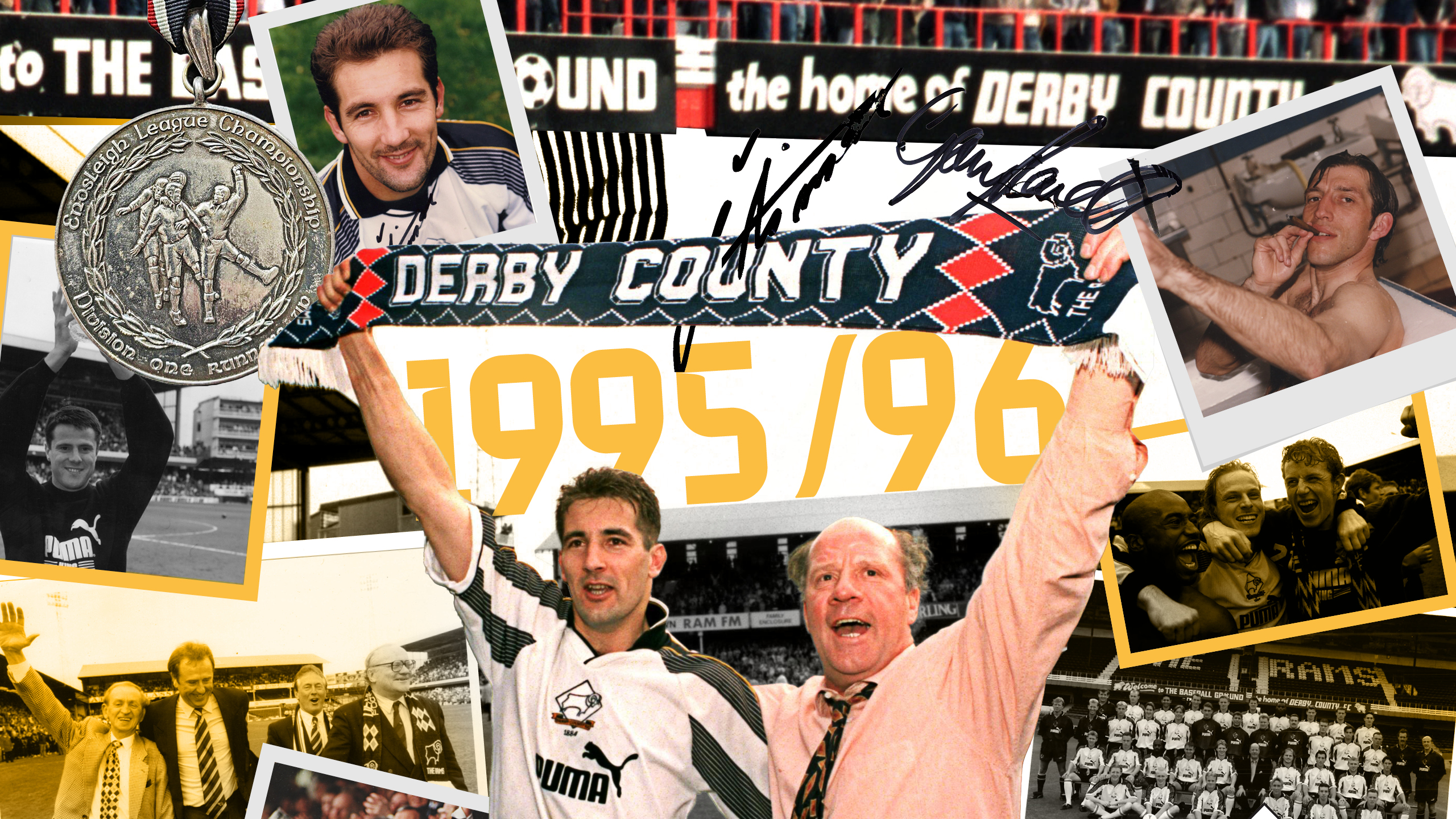
On the eve of the 30-year anniversary of the Rams’ promotion-winning victory over Crystal Palace (28th April), dcfc.co.uk looks back at that iconic season.
Of course, successful teams always generate nostalgia, but this one, especially so. Was it the unexpected outcome - the fact that no one really saw it coming that made it so special?
Was it the fact that manager Jim Smith turned the tables on the naysayers who criticised his appointment?
Or was the hook the team itself - a disparate array of talents, led by a maverick who labelled himself ‘the King of Croatia’, that has engendered such fondness?
Whatever it was, at the heart of it was Smith.
A footballing man to his core, a people person, a manager who wanted to see his side entertain as well as win.
And the man who helped Smith orchestrate the triumph - who stood by him shoulder-to-shoulder - was his then assistant, Steve McClaren.
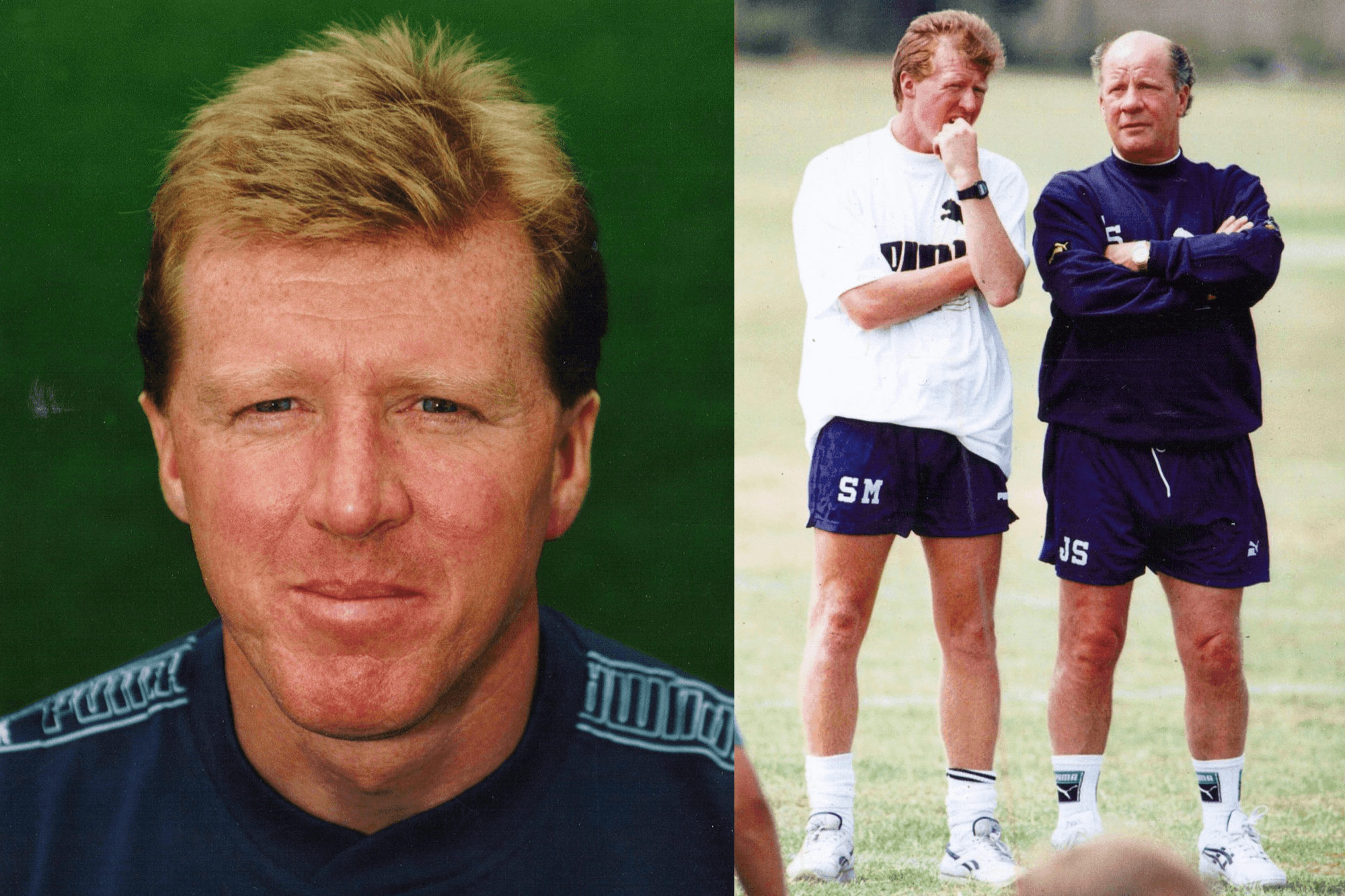
So, when the 64-year-old airs an opinion about the vintage of ’95/96, it pays to listen.
McClaren has spent a lifetime in the game both as a player and, more notably, as an elite coach - and that has given him a degree of retrospection that carries considerable weight.
Of course, he managed England - but when he looks back and says that the Bald Eagle’s promotion-winners were ‘one of the most beautifully balanced sides I was involved with,’ then it is praise indeed.
So, how did it come about?
“I was looking at a career in coaching and had been working for Denis Smith at Oxford United,” McClaren said.
“I’d taken the Under-18s and the reserves, and one of the club’s former bosses, Maurice Evans, was still there. He was quite a mentor to me and knew a lot of people in the game.
“Maurice would come into the office after games, and Jim, who lived in Woodstock, would join him.
“Basically, I was the drinks man. Any drink I served came with a smile. It became a standing order with Jim. It was: ‘Whisky, three ice cubes.’
“Jim was working for the League Managers’ Association at that time - but I think he knew he would go in for another crack at frontline management.
“He was interested in pulling together his own team - with a coach and an assistant.
“Maurice gave me a good recommendation, and it was through him, really, that Jim chose me to go on this journey. And that’s when it started.”
Those who lived through the era probably need a refresher. For those who didn’t, the background is simple.
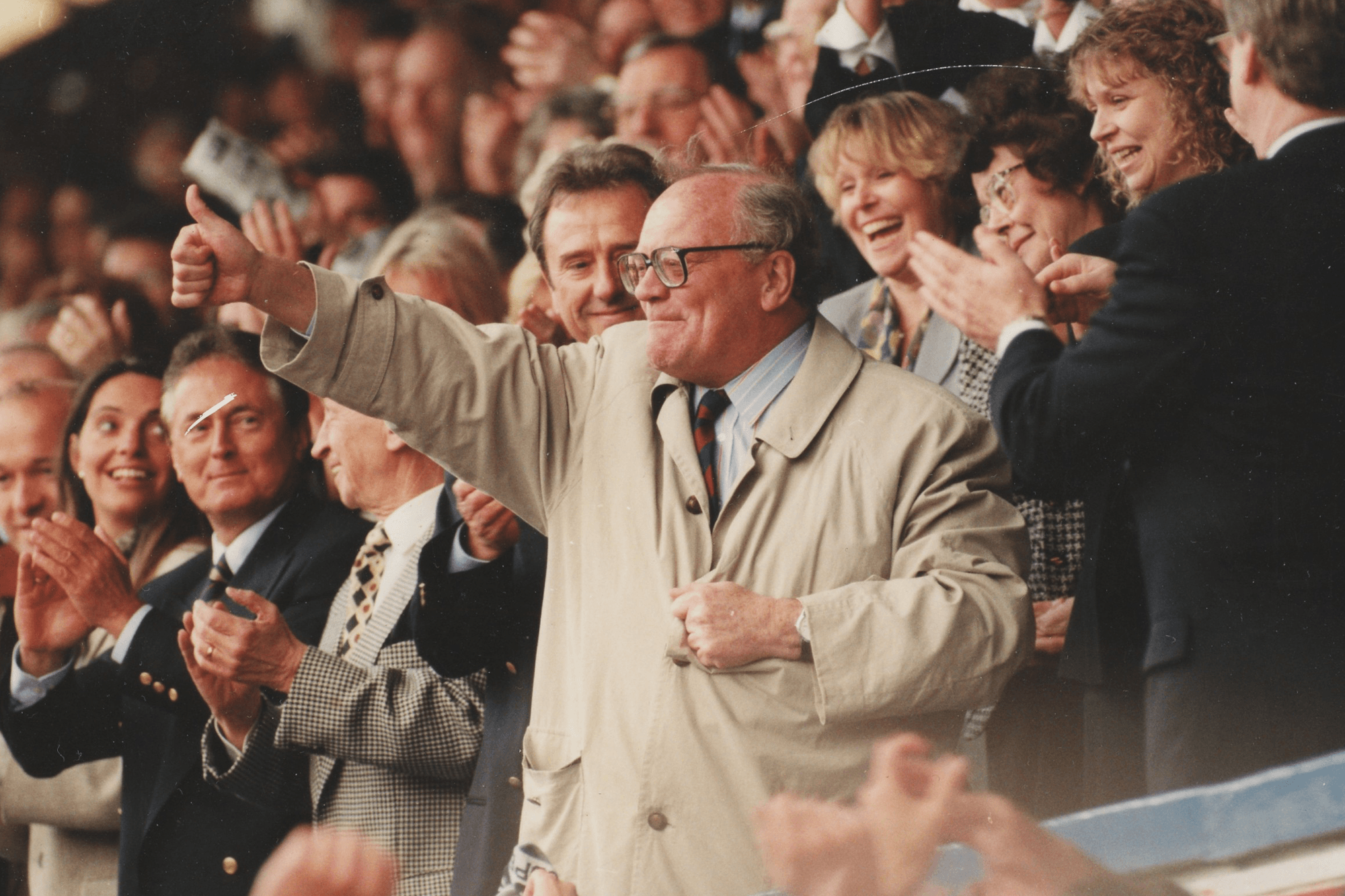
The Rams, with owner Lionel Pickering’s generous backing, had finished ninth the season before.
The club was looking to refresh itself. But Smith was by no means a popular choice. And a slow start with a revamped side hardly helped.
Back to McClaren.
He said: “It wasn’t broken. That wouldn’t be fair - but Lionel was investing in the playing side, and Jim identified that he wanted to put drive and desire back into the team.
“He wanted to model it on his terms. He wanted passion, he wanted aggression. He was very much a people’s man; he wanted to create a community, and he wanted his sides to be positive going forward.
“He wanted to create this bond. A community from the fans through to the board. It wasn’t quite like that, to start with.
“But one thing Jim did was that he managed Lionel well. And, to be fair, Lionel managed Jim well, too. If truth be told, they were kindred spirits.
“Every Friday, Jim would head up to Lionel’s pub in Ednaston. They’d talk through the game the next day, and the team - and Jim nurtured that relationship.
“That was very important in the early days when we went in there because we didn’t have a very good start. But he had Lionel’s ear, and the owner trusted him.
“And Jim liked exciting players. He didn’t care where they came from - anywhere on planet earth - as long as they could play and they were good players.
“And he could spot a good player.”
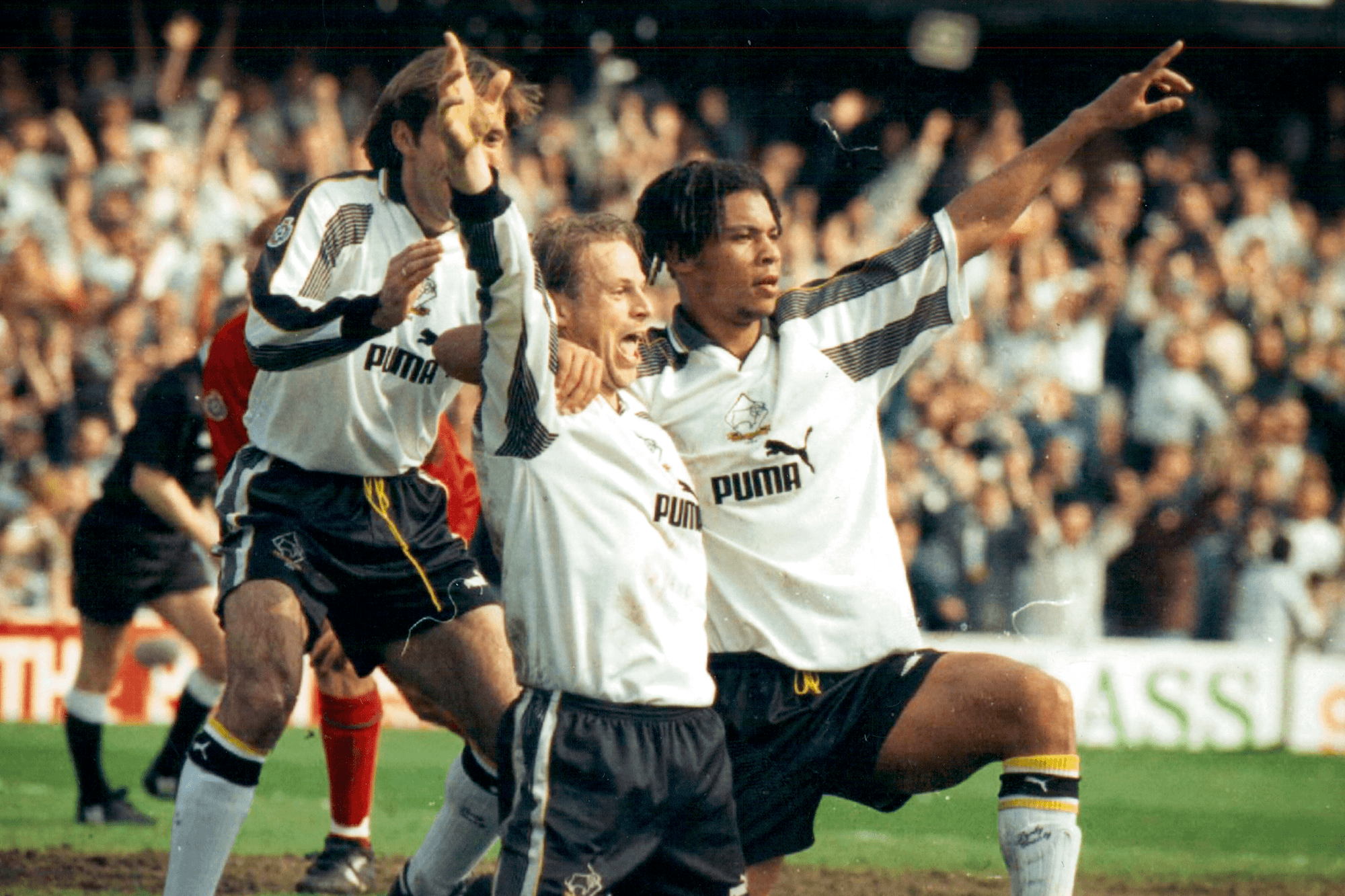
The churn was considerable. But Smith and McClaren backed their judgement. Good players all. But 15 points from the opening 12 games weren’t exactly what the doctor ordered.
Then, in early November, came the nadir. A 5-1 battering at Tranmere - with new Croatian signing Igor Štimac - left as many questions unanswered as answered.
“First and foremost, we had good players,” McClaren said, “Ronnie Willems, Robbie van der Laan, Darryl Powell, Dean Sturridge, Marco Gabbiadini, Gary Rowett, Dean Yates…the list goes on.
“Jim knew how he wanted to play - on the front foot - but we couldn’t work out how to put the square pegs in square holes.
“There’s no doubting the key moment - it was when he brought in Igor.
“Jim, honestly - the contacts he had in the game - no one would have thought of taking someone from Croatia to Derby. He did. And…wow, what an imposing figure.
“That game at Tranmere, Igor did unbelievable things on the ball. We lost 5-1, but Igor scored our goal - picked up the ball, beat four men and found the net.
“He played in the centre of midfield. Jim and I both looked at him and thought: ‘Yeah, he’s a player - but what are we going to do with him?’
“Then came that Thursday morning training session. We pulled them into a formation, Igor at the back in a three, Marco Gabbiadini and Dean Sturridge up front. Ron Willems behind them.
“We had wingbacks and, after about half-an-hour of this, I came back in and just said to Jim: ‘I think we’ve found it.’
“And the rest, really, is history.”
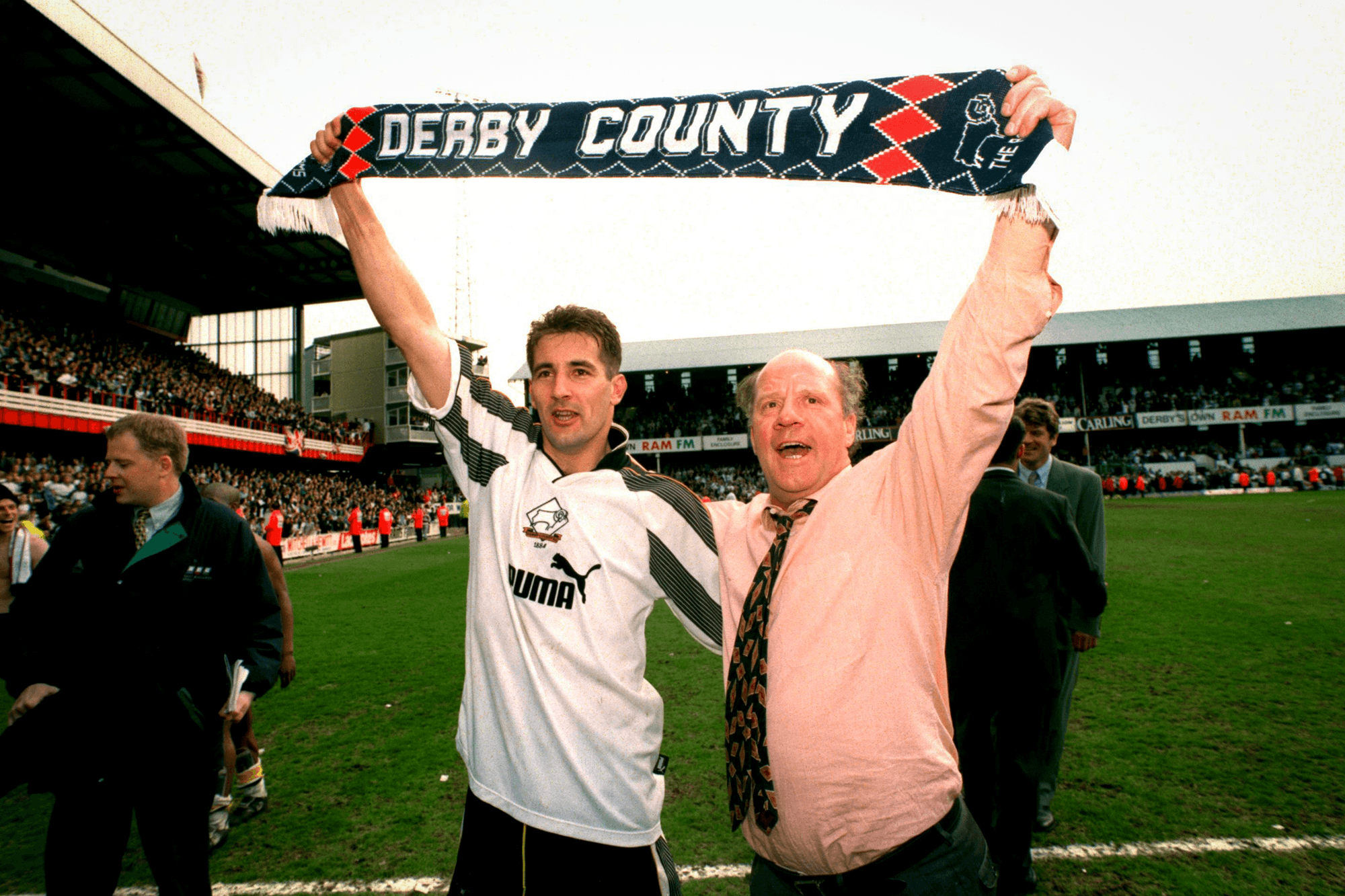
Any piece about the side of 1995/96 would not be complete without a word on Igor. His surname, at this stage, is superfluous.
McClaren added: “There were stages when Igor would get the ball off the keeper and do keep-ups, you know.
“He played to the crowd, but he was our leader - both on the field and off it - he gave us confidence in everything that we did. He was such an imposing figure.
“I went out and had a few days with him in Croatia and watched their game. Igor wasn’t, in fact, playing in that one.
“Being honest, it’s difficult to convey just how much he was adored.
“The streets parted when he walked to the game. We walked down to the stadium, and there was a big party around him.
“He would give money to people. He’d give them match tickets.
“He said to me: ‘These are our people. They have no money - so we give them money.
“‘They cannot afford tickets - so we give them tickets.’
“He took me to his house. Showed me the wreckage from the civil war. I got a true, very realistic picture of what had gone on, and it opened my eyes entirely.
“And that Croatia team and Igor were absolutely adored - I mean, he owned his own island and he had a nightclub on it!
“He always carried that persona, and when I came back I just said: ‘He always said he was the King of Croatia - and he is.”
Of course, it takes more than just one player to make a team. It would be disrespectful in the extreme to suggest otherwise.
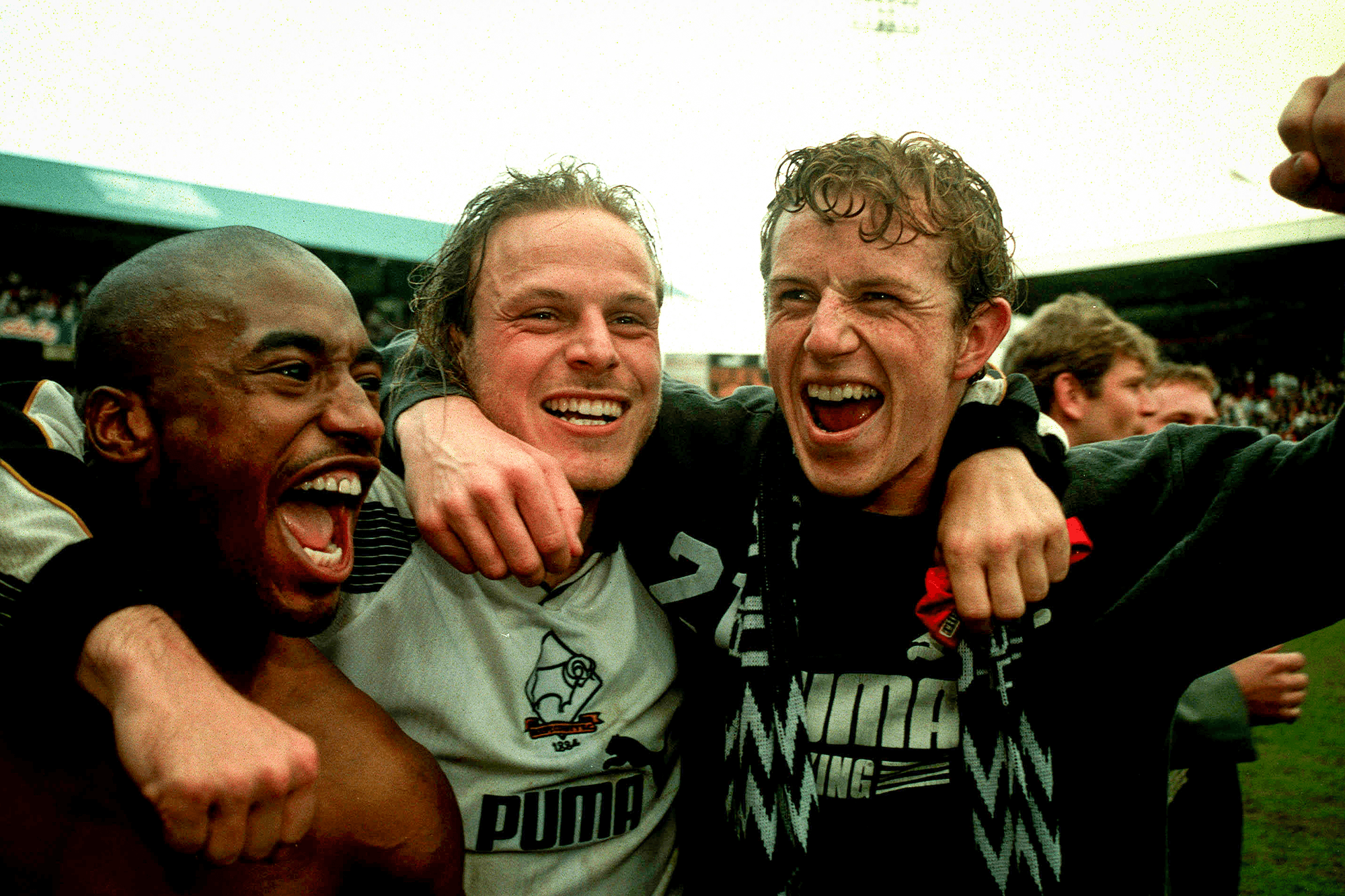
McClaren said: “I could go through the team, one-by-one. It had a little bit of everything, didn’t it?
“They could play, had energy and explosiveness up front. You’ve got a system at the back with people who were comfortable with each other.
“It just seemed like we had an answer for anything the opposition would throw at us.
“After Tranmere, I think it was a 22-game unbeaten run before we lost at Sunderland.
“It’s one of the best balances to any side that I’ve seen in a team throughout my career. Dean Sturridge and Marco Gabbiadini had explosiveness and finishing ability. Ron Willems - very important to that triangle up front.
“Robbie van der Laan and Darryl Powell were a real engine-room. And we had stability at the back. Jim built the team and with his character, he was able to get the best out of it.”
Nevertheless, a stuttering run of form - including draws against Birmingham City and Charlton Athletic (following a six-goal revenge walloping of Tranmere) set up the last game of the campaign at the Baseball Ground for a nervy clash against fellow promotion-chasers Crystal Palace.
Sturridge’s early goal was followed by an equaliser from the Eagles by Kenny Brown. Van der Laan looked to have grabbed the winner. But it was nail-biting as the clock ticked down.
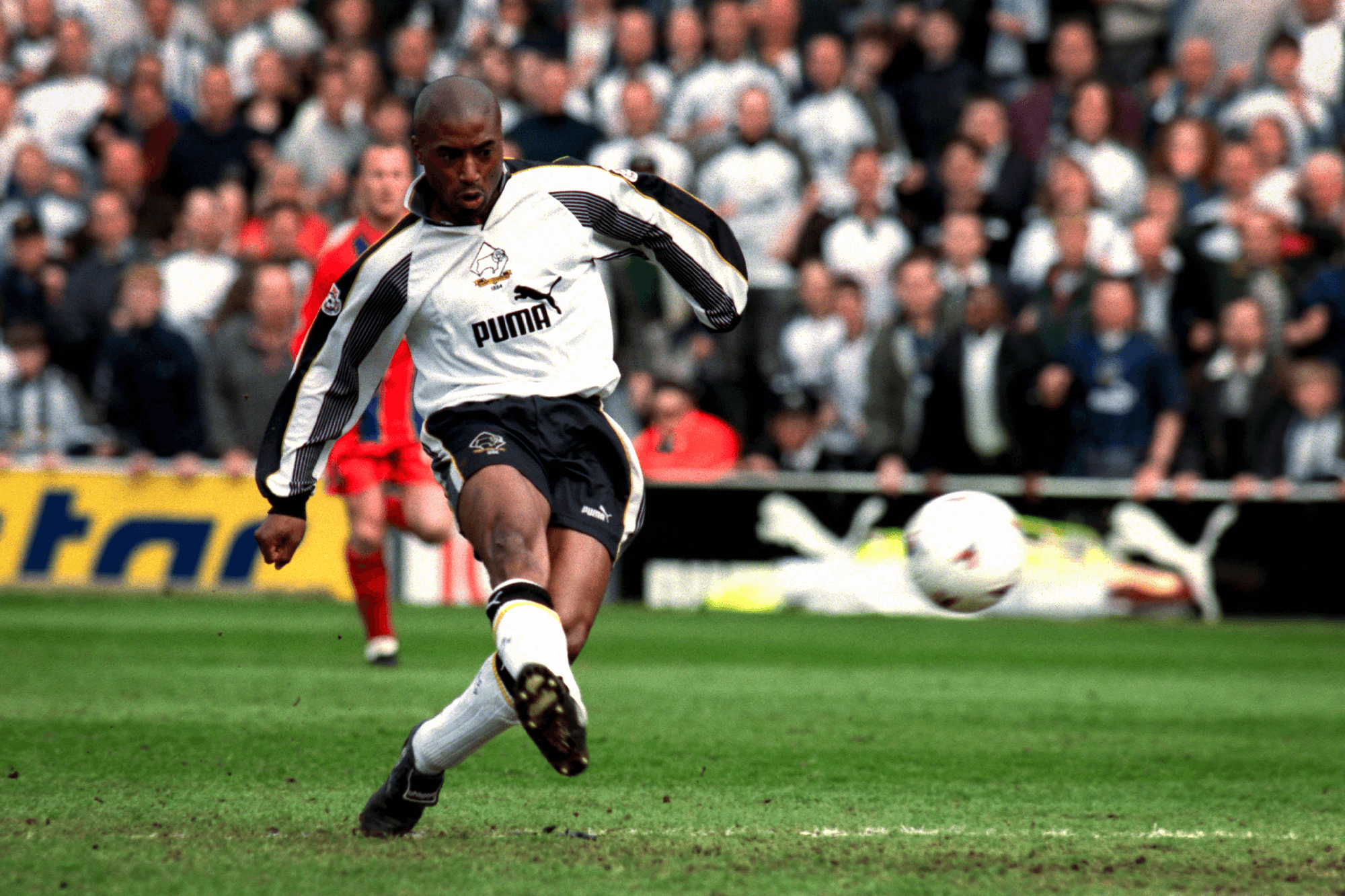
McClaren said: “That Palace game, people talk about the nervy-ending and the joy of the occasion.
“But what I remember most is that they had a breakaway in the final few seconds of the game. It was tight at the Baseball Ground, wasn’t it?
“Some Palace player is running down the line with the ball, and he’s a little bit close to us.
“Jim’s stepped down to the field - and I am positive, to this very day, that Jim was going to tackle him.
"He’s stepped forward to tackle him, and I’m pulling him back, shouting: ‘Jim, you can’t go on the field…’
“But he was such a passionate man, a passionate winner - and he really came alive on the touchline. The celebrations at the final whistle were great.
“Afterwards, I believe we went to an Italian restaurant in Littleover, and Jim was in his element. He loved life. Loved people. He loved company.
“As staff, we would go out quite regularly. We’d do that, and Jim would always pay the bill. He was always generous.
“If ever it was wrong to judge a book by its cover - Jim was it. People looked at him and got the wrong impression.
“He was one of the most forward-thinking managers of his time. He was very innovative.
“And I genuinely thought we were great together, if I can say that.
“We were like father and son. Inseparable. We thought the same about the game.
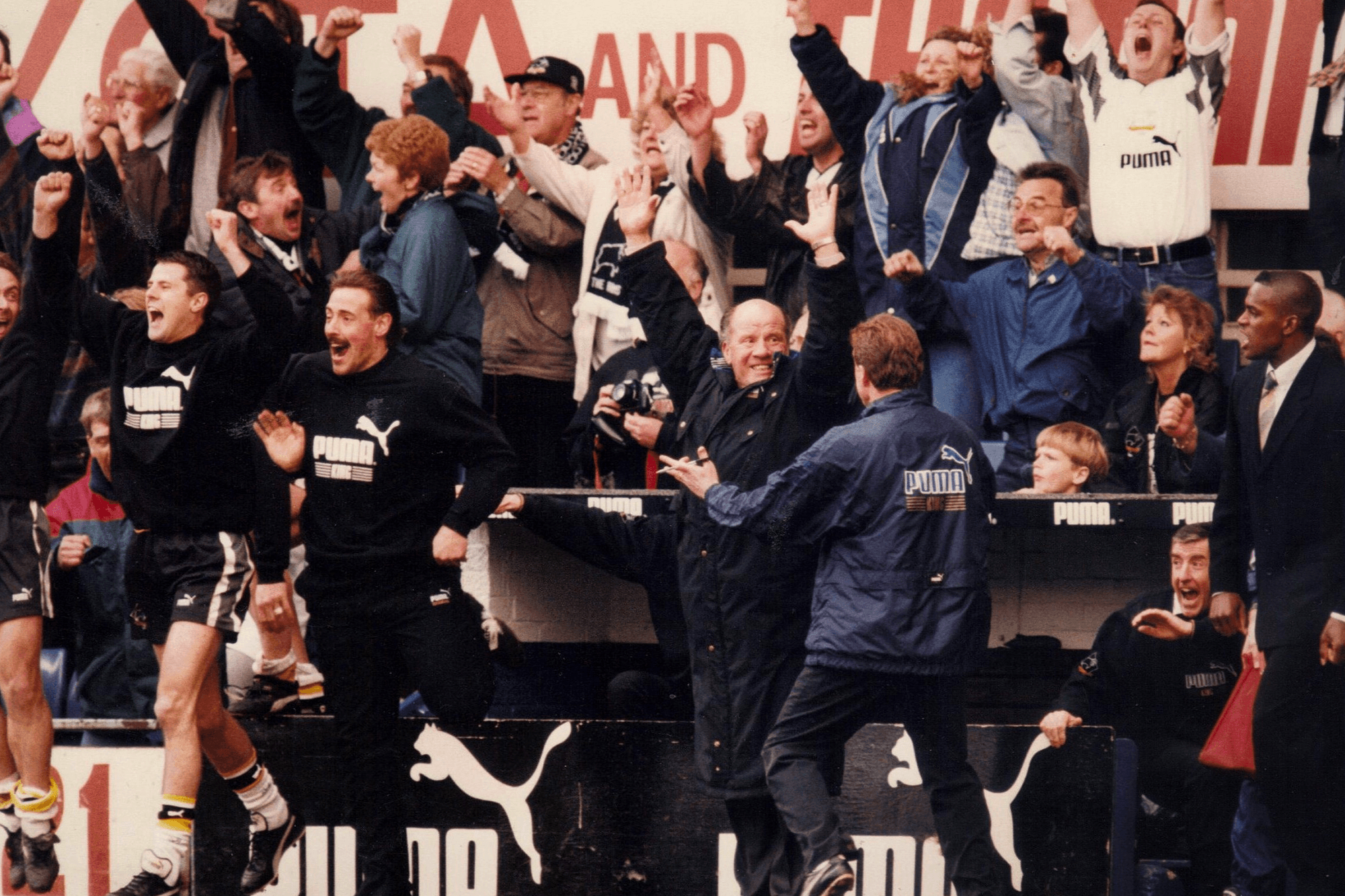
“Don’t get me wrong, we had many tussles - many arguments - but it kind of brought out the best in us. And Jim was at the forefront of so many innovations.
“We were the first to bring in an individual fitness coach. Then we brought in an analysis package called ‘Prozone.’ Massage chairs, yoga - Jim would use anything he could to look after his players and keep them in tip-top shape.
“When we arrived, Derby weren’t in the doldrums exactly. But they weren’t particularly going anywhere, either.
“But Jim came in. And he ignited them.
“He did it his way. And he did it with style.
“He liked players, he wanted them to express themselves, and the thing he liked most was bringing together damn good players and moulding them into a team.
“He engineered that at Derby County - and I’m so pleased I was a part of it.
“Looking back at what we achieved with that side - and to do it with Jim…it was special. It really was.”